





 New Code Sent!

IS IT SAFE TO PUT POTS AND PANS IN THE DISHWASHER?
Being able to put pots and pans in a dishwasher can streamline post-meal cleanup and save you a lot of time. But before you go tossing your big pot and small pans in your dishwasher for a wash cycle, you must make sure your cookware is labeled “dishwasher safe”.
Washing pots and pans can take time, especially after a big meal or dinner party. Knowing which pots and pans are dishwasher-safe, and which dishwasher setting to use, can help save you the hassle and time needed to scrub your messiest dishes by hand. This guide will introduce you to what you can and can’t wash in the dishwasher to keep your kitchen tools looking and working their best.

WHAT DOES DISHWASHER SAFE MEAN WITH POTS AND PANS?
If your cookware has a "dishwasher safe" label, then this simply means that it’s safe to wash it in the dishwasher. This is because they're likely made from materials, like stoneware or glass, proven to withstand high heat, wash sprays, and detergent without damage.
When washing pots and pans that are dishwasher safe, use short wash cycles and drying cycles with low heat, as this will better protect the finish. Gaining a better understanding of how your dishwasher works can help you get through mealtimes faster and simplify cleanup.
WHICH POTS AND PANS ARE DISHWASHER SAFE?
Whether a pot or pan is dishwasher safe depends on the material it’s made from. Pots and pans that are generally able to be washed in the dishwasher include cookware made of the following materials:
Ceramic: Cookware made from ceramic materials like china or porcelain without hand-painted designs or embellishments is typically dishwasher-safe.
Anodized aluminum: Pots and pans made from anodized aluminum are protected from chemicals typically used during a wash cycle, making them safe for the dishwasher.
Stainless steel: Items made from stainless steel usually remain unaffected by the chemicals and hot water used during wash cycles. These are generally safe for the dishwasher.
Glass: Glass containers are usually dishwasher-safe, but etched lines or white patches may form on the surface of the cookware through continuous dishwasher cleanings.
Teflon: Non-stick Teflon pots and pans marked as “dishwasher safe” can be washed in the dishwasher.
Check every item for dishwasher-safe labeling, even if it’s made from one of the materials listed above, before placing it in your dishwasher.
DISCOVER MAYTAG® DISHWASHERS
Simplify even the messiest cleanups with Maytag® dishwashers. Enjoy increased upper rack height that helps you fit in bulky pots and pans without the need for a second load. Explore the full collection of Maytag® dishwashers and discover advanced features like Dual Power Filtration and Steam Sanitize options that will fill you with confidence as you unload dishes.

WHICH POTS AND PANS SHOULD BE HAND-WASHED?
The following items should be hand-washed, rather than placed in the dishwasher:
Copper: The high wash power of the dishwasher can render the bronze coloured surface of copper dull and scratched.
Non-stick: Most pots and pans with a non-stick coating are made with fragile finishes, meaning they’re susceptible to imperfections during a wash cycle. Hand washing may protect the non-stick coating.
Non-anodized aluminum: Aluminum cookware without a protective anodized coating shouldn’t be washed in a dishwasher.
Cast iron, steel, and tin: Pots and pans made from certain metal materials, such as steel or cast iron, may develop rust and are usually not cleaned in the dishwasher.
Embellished or hand-painted ceramic cookware: While ceramic cookware made from china or porcelain is often dishwasher-safe, any pot or pan with hand-painted designs, embellishments, or metallic rims must be hand-washed.
Always confirm that a pot or pan has a “dishwasher-safe” label before cleaning it through a dishwasher cycle. If an item hasn’t been labeled as “dishwasher safe,” or you’re unsure, then play it safe by hand-washing it.
HOW TO HAND WASH POTS & PANS
If you're ever unsure whether your pots and pans can be cleaned in the dishwasher, understanding how to properly hand-wash items can help you protect them from incurring potential damage.
To hand-wash pots and pans, you'll need to understand how to prep, wash, rinse, and dry them before they're ready to be stored.

STEP 1: PREP THE COOKWARE
Prep your pots and pans by scraping any significant food build-up with a gentle cleaning tool or paper towel. To remove stubborn pieces of food, you might need to soak the cookware in a mixture of dishwashing soap or baking soda and hot water for about 15 to 30 minutes.

STEP 2: WASH THE COOKWARE
Once you’ve removed any leftover food, fill the sink or a dishpan with hot water, and then add a touch of dish soap before placing the items in it. Use a sponge to gently scrub each pot and pan, including the surface, handle, and bottom, until all traces of food are gone. Give it a once-over to check for any missed areas.

STEP 3: RINSE THE COOKWARE
After the item is washed, rinse it with hot water until all the suds are gone.

STEP 4: DRY THE COOKWARE
The last step is to set the cookware on the counter to let it air dry or dry each piece by hand with a towel.
WHAT ELSE SHOULD YOU NOT PUT IN THE DISHWASHER?
If you’re ever unsure whether an item is dishwasher-safe, it's best to wash it by hand. Items made from fragile materials, like wood and most types of plastic, should not be placed in the dishwasher.
Regardless of the type of material you need to clean, always check items for dishwasher-safe labeling before loading your dishwasher and washing them through a cycle.
LEARN MORE ABOUT MAYTAG® DISHWASHERS
-
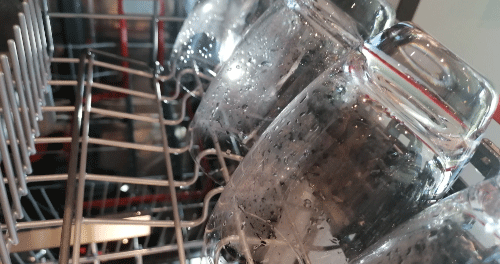 Dishwasher is leaving gritty residue See comprehensive guide to help you stop your dishwasher from leaving a gritty residue on your pots, pans and dishes.
 -
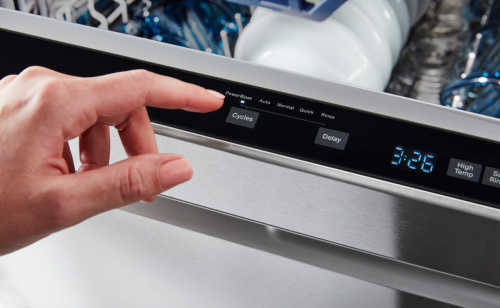 Guide to Dishwasher Settings and Cycles Discover dishwasher settings and cycles for optimal cleaning and efficiency. Learn maintenance tips and explore reliable Maytag® dishwashers.
 -
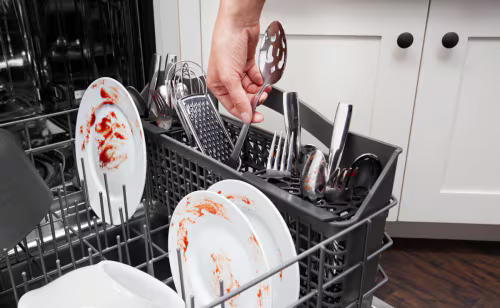 How to Load a Dishwasher Get maximum cleaning coverage by learning how to properly load a dishwasher. Maytag will teach you how to position dishes, rack-by-rack, so you can fit more.

